One Month Is When the New Shape Begins to Feel Familiar
For many patients, one month after surgery is when they first begin to recognize the changes in their nose. Most of the initial swelling has improved, allowing the new shape to become more visible while the healing process continues.
The goal of this surgery was not simply to remove the hump. It was to create a smoother, more balanced nasal profile that fits naturally with the patient’s facial features.
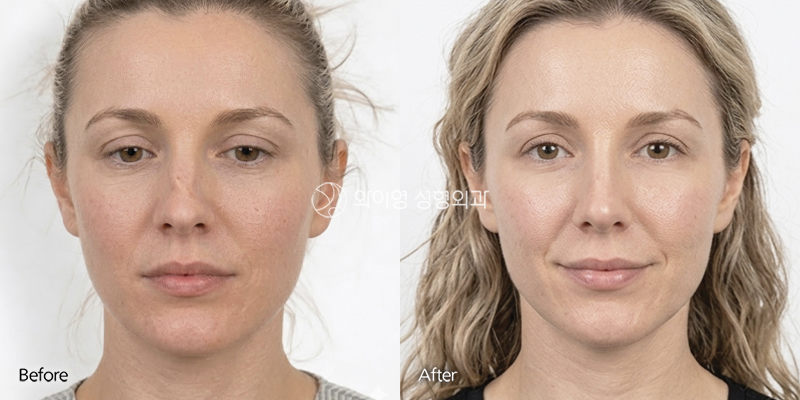
From the front, the nose appears more refined while maintaining its natural proportions. Rather than creating a dramatic change, the focus was on improving facial harmony and preserving the patient’s unique appearance.
A Balanced Profile Is More Important Than Simply Removing the Hump
Hump nose surgery is about much more than reducing the bridge.
Every adjustment to the bridge influences the side profile, the nasal tip, and the overall balance of the face. Successful rhinoplasty should improve how the nose works with the forehead, lips, and chin—not simply make the nose smaller.

The oblique view highlights the smoother transition from the bridge to the tip. Although mild swelling is still present, the nose already appears softer, more balanced, and naturally integrated with the rest of the face.
Healing Continues Beyond the First Month
One month is an important milestone, but it is not the final result.
As the remaining swelling gradually resolves, the soft tissues continue to settle and adapt to their new shape. This natural healing process allows the final definition of the nose to develop over time.
For this reason, experienced surgeons avoid judging rhinoplasty too early. Beautiful results are achieved not only through surgery, but also through careful healing.
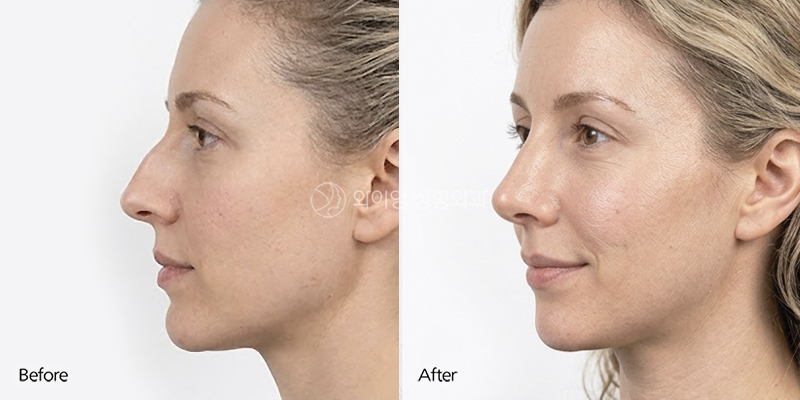
The side profile demonstrates a smoother dorsal line while maintaining a natural contour. Instead of creating an overly straight or artificial appearance, the goal was to achieve a profile that complements the patient’s overall facial balance.
What This Case Demonstrates
- A smoother nasal bridge with a natural appearance.
- Improved facial harmony from every angle.
- Normal healing progression one month after surgery.
- Results that continue to refine as recovery progresses.
Request a Rhinoplasty Consultation
Every nose is unique. A successful rhinoplasty begins with understanding your facial anatomy, your goals, and the balance that best suits your features—not with creating the same nose for every patient.
Frequently Asked Questions
1. Is one month after hump nose surgery the final result?
No. At one month, much of the initial swelling has improved, but healing is still ongoing. The nose continues to refine as the remaining swelling gradually subsides over the following months.
2. Is swelling still normal one month after rhinoplasty?
Yes. Mild swelling, especially around the nasal tip and bridge, is completely normal. This is part of the natural healing process and usually continues to improve over time.
3. Why does the nose already look natural after one month?
The surgical goal was not to create a dramatic change but to improve facial harmony. By preserving natural proportions and respecting the patient’s facial anatomy, the nose begins to blend naturally with the rest of the face as healing progresses.
4. Does hump nose surgery only remove the hump?
No. Successful hump nose surgery involves much more than reducing the nasal bridge. It requires balancing the bridge, tip, and overall facial profile to achieve a natural and harmonious result.
5. When can rhinoplasty results be properly evaluated?
Most surgeons recommend waiting several months before judging the final outcome. Although significant improvement is visible after one month, the final definition develops gradually as healing continues.
Related Insights
Why Do Some Rhinoplasty Results Look Unnatural?
How Long Does Rhinoplasty Swelling Last?
What Makes Facial Contouring Look Natural?
Learn More About Hump Nose Surgery
Interested in learning more about hump nose correction? Visit our comprehensive guide to understand the causes of a hump nose, surgical techniques, recovery, and what to expect from treatment.

