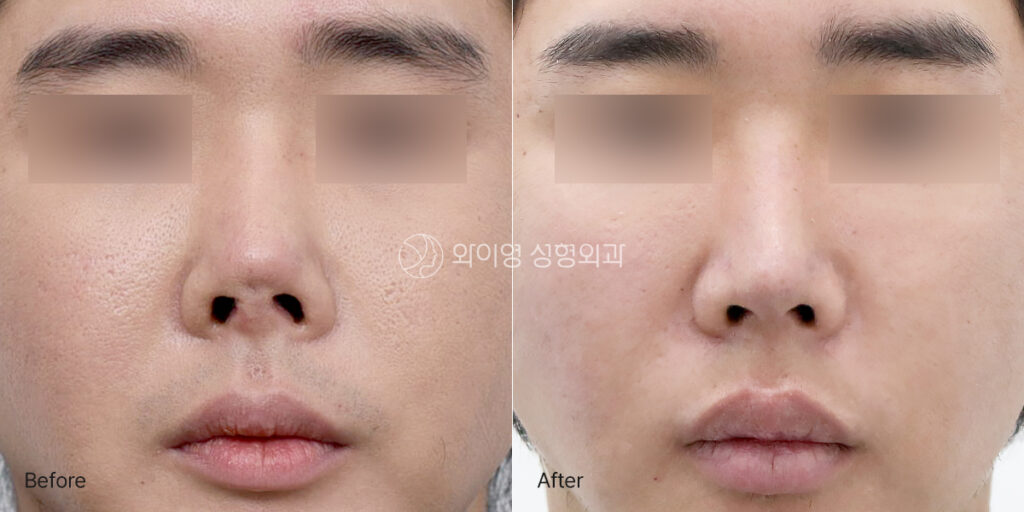
A contracted nose is one of the more challenging conditions that can develop after previous rhinoplasty. Unlike swelling or temporary changes during healing, a contracted nose reflects structural changes within the nose. As scar tissue matures and contracts, the nose may gradually appear shorter, tighter, or less projected over time.
For many patients, these changes become noticeable months after surgery rather than immediately afterward.
A Contracted Nose Is More Than a Cosmetic Concern
When patients describe a “contracted nose,” they are often referring to more than a nose that simply looks short.
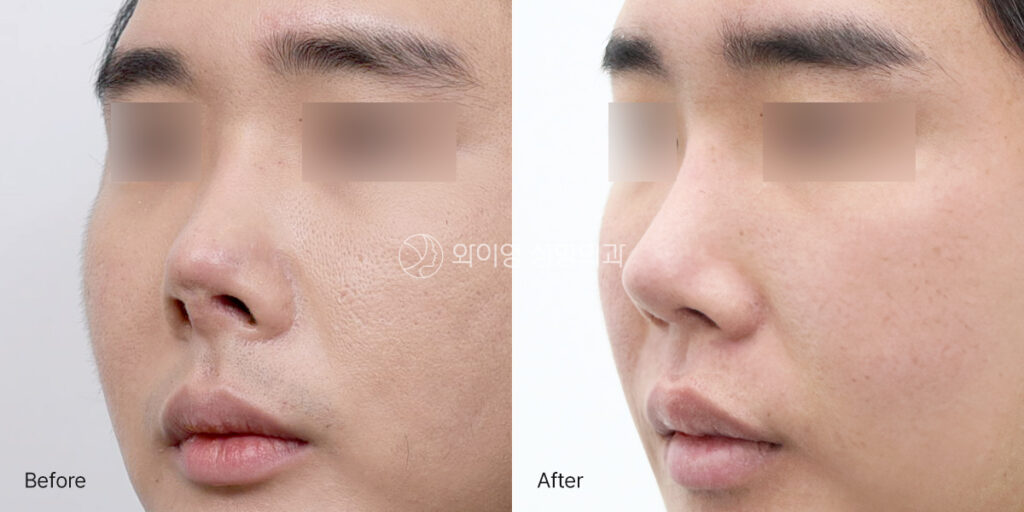
Scar contracture can place tension on the nasal framework, reducing tip projection, shortening the nose, and altering the overall nasal contour. In some cases, the nostrils may become more visible, while in others the nose simply appears tighter and less balanced than before.
Understanding the underlying cause is essential before considering revision surgery.
Why Does a Contracted Nose Develop?
Several factors may contribute to the development of a contracted nose after rhinoplasty, including:
- Excessive scar contracture during healing
- Weakened structural support
- Previous implant-related complications
- Tissue changes following multiple surgeries
Because every patient heals differently, the degree of contracture and the appropriate treatment can vary significantly.
Structural Evaluation Comes Before Revision Surgery
Not every contracted nose requires the same surgical approach.
Successful revision begins with understanding which structures have changed and how much healthy tissue remains. Rather than simply making the nose longer or higher, revision rhinoplasty focuses on restoring stable structural support that can produce a balanced and long-lasting result.
Our Surgical Philosophy
A contracted nose should never be evaluated by appearance alone.
The goal of revision rhinoplasty is to identify the underlying structural problem, restore support where needed, and achieve a result that remains stable over time rather than creating temporary cosmetic improvement.
Related Case
See how structural revision rhinoplasty restored nasal length and support in a patient with a contracted nose after previous surgery.
Contracted Nose Revision After Previous Rhinoplasty
Learn More About Revision Rhinoplasty
Explore our approach to structural revision rhinoplasty and individualized treatment planning.
Frequently Asked Questions
1. What is a contracted nose after rhinoplasty?
A contracted nose is a condition in which scar tissue and structural changes cause the nose to appear shorter, tighter, or less projected after previous rhinoplasty. The severity and underlying causes vary from patient to patient.
2. What causes a contracted nose to develop after rhinoplasty?
A contracted nose may develop because of scar contracture, weakened structural support, implant-related complications, or changes that occur after multiple nasal surgeries. A thorough structural evaluation is necessary to determine the underlying cause.
3. Does every contracted nose require revision rhinoplasty?
Not always. Some patients benefit from observation if healing is still ongoing, while others may require revision rhinoplasty to restore structural support and improve nasal shape. The most appropriate treatment depends on the condition of the nasal tissues and the degree of contracture.
Request a Revision Rhinoplasty Evaluation
If you are considering revision rhinoplasty or have concerns after previous nose surgery, a personalized structural evaluation is the first step toward achieving a stable, natural-looking result.
Online consultation is available for international patients.
