Introduction
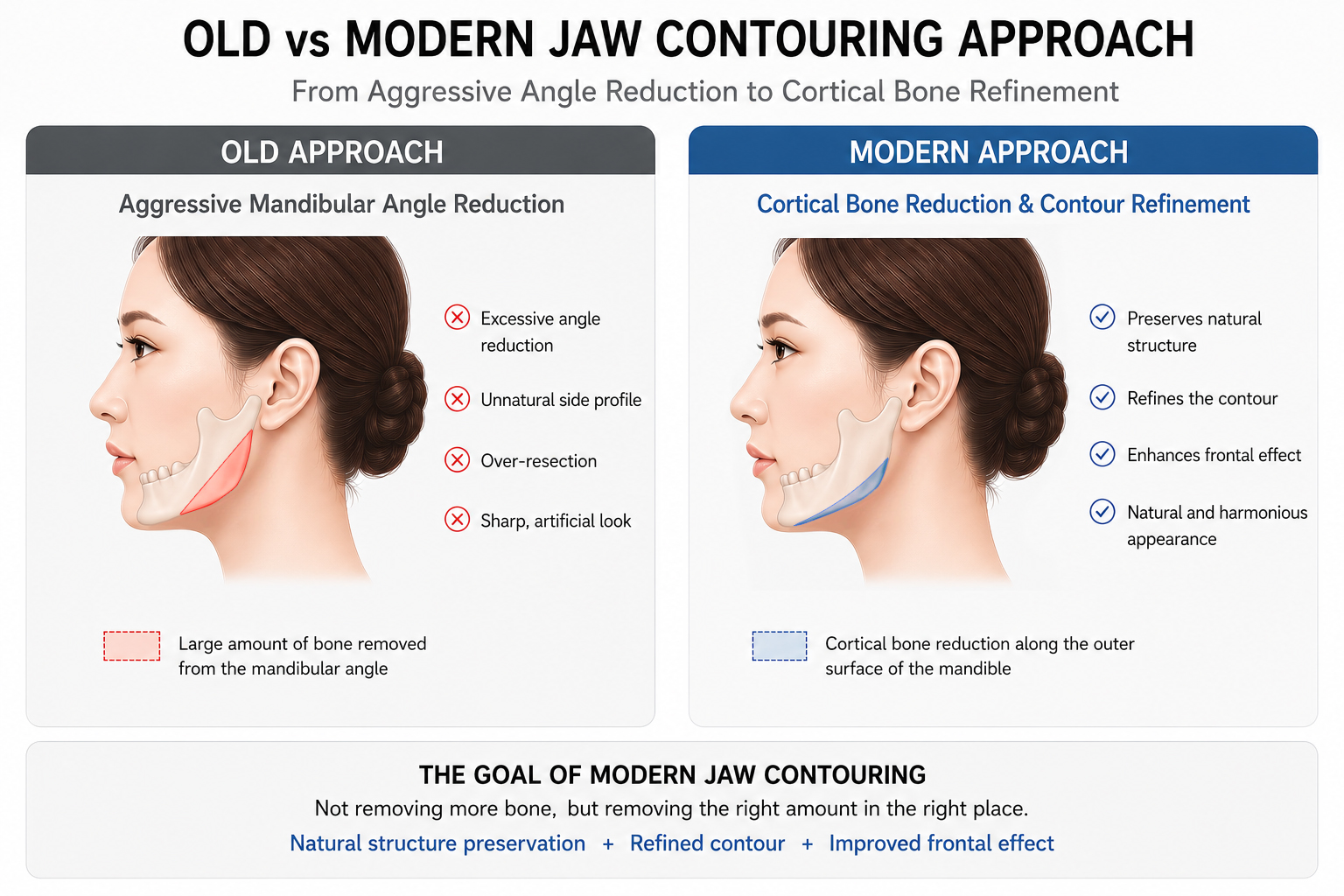
In the past, jaw contouring surgery often focused on aggressively reducing the mandibular angle.
While this approach could create a slimmer frontal appearance, excessive angle reduction sometimes resulted in:
- An unnatural side profile
- Over-resection of bone
- A sharp or artificial appearance
A More Modern Philosophy
Today, modern jaw contouring surgery focuses less on removing large amounts of bone and more on refining the overall contour.
Instead of aggressively cutting the mandibular angle, we aim to:
- Preserve the natural mandibular structure
- Create smoother facial lines
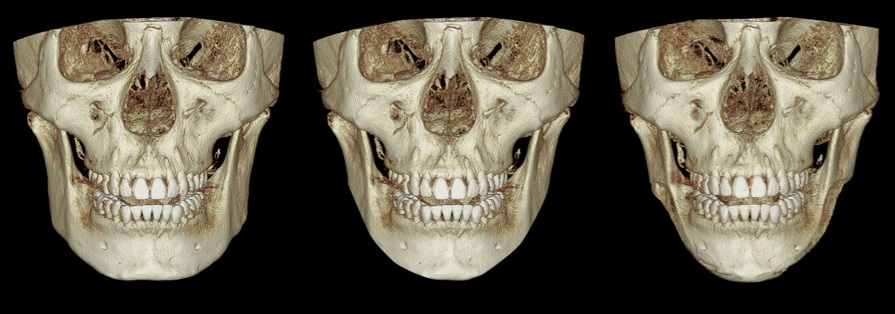
- Improve frontal slimming through cortical bone reduction
The goal is not simply “smaller,” but more harmonious and natural.
Why Cortical Bone Reduction Is Important
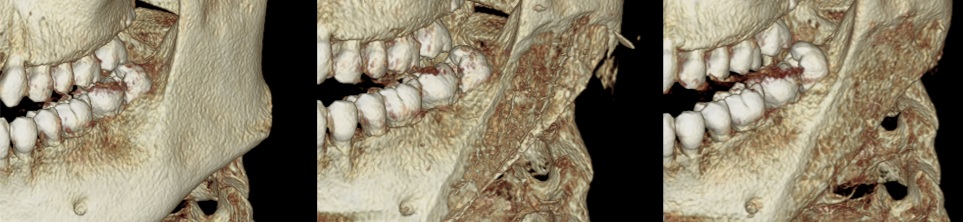
Cortical bone reduction allows surgeons to refine the outer contour of the mandible while maintaining structural balance.
This approach can provide:
- A smoother jawline
- Improved frontal contour
- More natural-looking results
- Better preservation of the side profile
Rather than creating an abrupt angle change, the transition becomes softer and more elegant.