Many people believe that a short nose can be corrected simply by making the bridge higher. While increasing bridge height may create the illusion of a longer nose in some cases, it rarely addresses the true anatomical reasons why a nose appears short.
Successful short nose surgery is based on understanding the structure of the nose rather than simply adding height.
A Short Nose Is Often a Structural Issue
A nose may appear short for several different reasons. Some patients have insufficient tip projection, while others have a naturally rotated nasal tip or weaker support structures that prevent the nose from maintaining adequate length.
In these situations, simply placing a higher implant or increasing bridge height does not solve the underlying problem.
Instead, careful structural planning is needed to create a nose that appears naturally balanced from every angle.
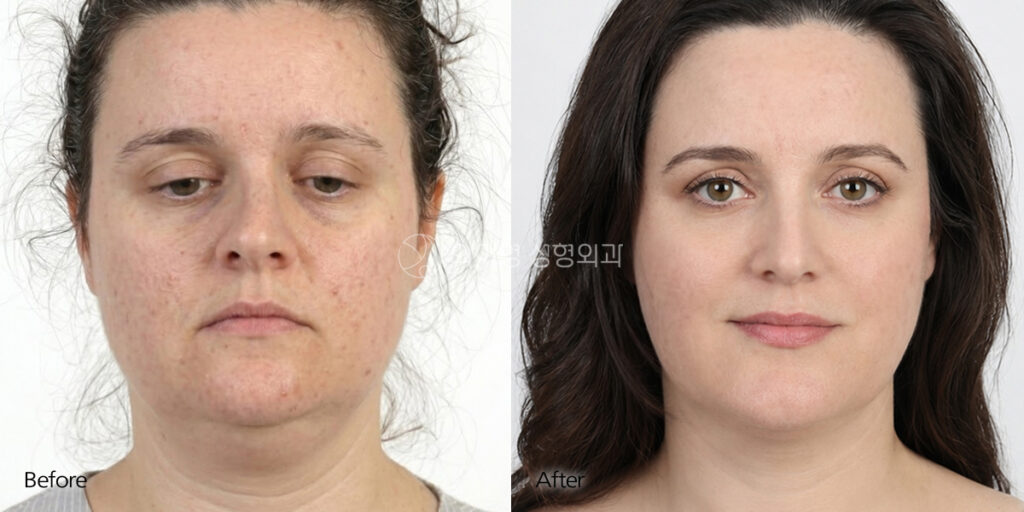
Tip Support Plays a Greater Role Than Bridge Height
The nasal tip has a significant influence on how long the nose appears.
Without adequate support, increasing the bridge alone may actually make the nose look less balanced. A well-supported tip allows the nose to project appropriately while maintaining a natural relationship with the bridge, lips, and chin.
The goal is not simply a taller nose—it is a nose that fits the rest of the face.
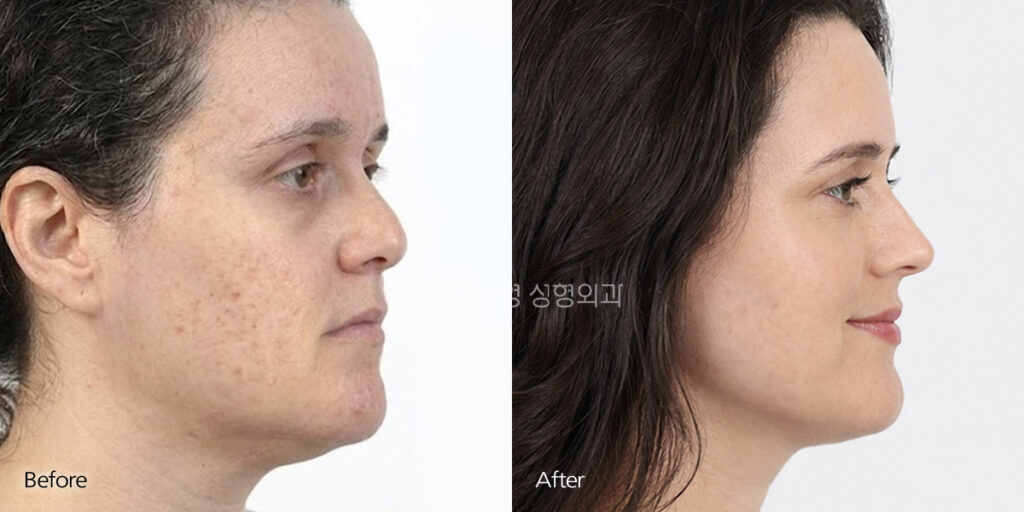
Balance Is More Important Than Height
One of the most common misconceptions in rhinoplasty is that a higher bridge automatically creates a better result.
In reality, excessive height without proper tip projection can produce an unnatural appearance. Natural rhinoplasty focuses on improving facial harmony rather than maximizing individual features.
A successful short nose surgery considers nasal length, tip projection, bridge height, and facial proportions together.
Every Short Nose Requires Individual Planning
There is no single technique that works for every patient with a short nose.
The surgical approach depends on the existing cartilage support, skin characteristics, nasal proportions, and the patient’s aesthetic goals. Creating long-term stability is often more important than achieving dramatic immediate changes.
The best rhinoplasty results are those that continue to look natural years after surgery.
Related Insights
- How Tip Support Influences Long-Term Rhinoplasty Results
- Natural Rhinoplasty: Why Facial Harmony Matters More Than Height
Frequently Asked Questions
1. Can a higher bridge make a short nose look longer?
Sometimes, but bridge augmentation alone usually cannot correct the structural causes of a short nose. Proper tip support is often equally important.
2. Why is tip projection important in short nose surgery?
Tip projection helps determine the perceived length and balance of the nose. Improving tip support often creates a more natural result than increasing bridge height alone.
3. Is every short nose treated the same way?
No. Each patient requires an individualized surgical plan based on their anatomy, facial proportions, and treatment goals.
4. Will my nose still look natural after surgery?
The goal of short nose surgery is to improve facial harmony while maintaining a natural appearance that fits your individual facial features.
Request a Rhinoplasty Consultation
If you are concerned about a short nose or limited nasal projection, a personalized consultation can help determine the most appropriate surgical approach based on your anatomy and aesthetic goals.

