A crooked nose after rhinoplasty can develop when the nasal bones, septum, cartilage framework, or scar tissue heal asymmetrically or when structural support becomes unstable. Identifying the underlying cause of the deviation is important before deciding whether revision surgery is appropriate.
Many patients become concerned when their nose gradually appears crooked after rhinoplasty. While this change may seem unexpected, a crooked nose after surgery is often the result of structural imbalance rather than a simple cosmetic issue.
The appearance of a crooked nose can develop because of weakened support, cartilage movement during healing, scar tissue, or incomplete correction during the initial surgery. Understanding the underlying cause is essential before deciding whether revision rhinoplasty is necessary.
What Causes a Crooked Nose After Rhinoplasty?
A crooked nose is rarely caused by the skin or the outer shape alone.
Instead, the problem often begins within the internal framework of the nose. If the structural support is weakened, the nose may gradually shift during the healing process, making the deviation more noticeable over time.
Correcting a crooked nose after rhinoplasty requires identifying which structures are causing the deviation rather than simply trying to make the external nasal line appear straighter.
Successful revision rhinoplasty focuses on rebuilding this support rather than simply making the nose appear straighter.
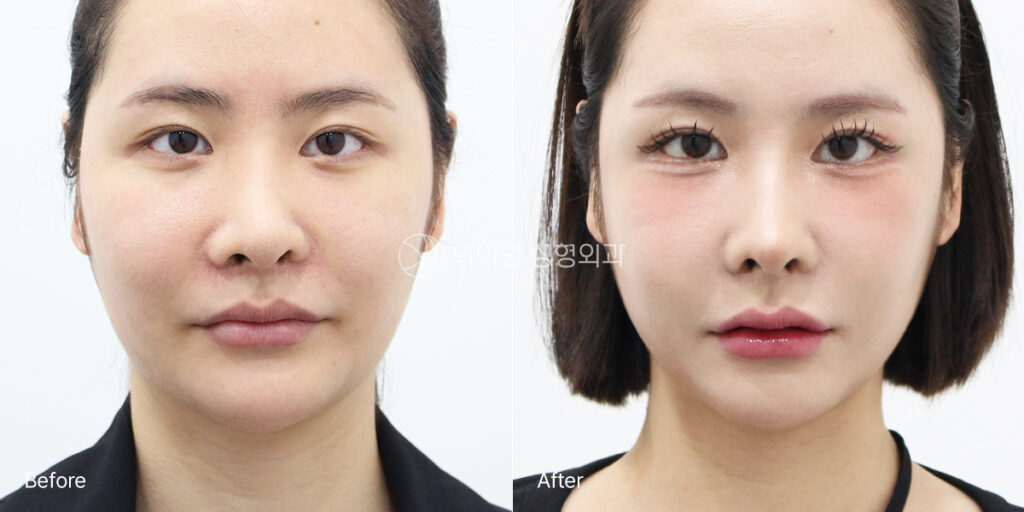
Front-view comparison showing improved nasal alignment one month after structural revision rhinoplasty.
Why Can the Nose Become Crooked During Healing?
Healing after rhinoplasty is not a static process.
As swelling gradually decreases, the true position of the nasal framework becomes more visible. At the same time, scar tissue matures, cartilage may change shape, and previously weakened support structures can influence the final appearance.
For this reason, surgeons generally recommend allowing adequate healing time before determining whether revision surgery is necessary.
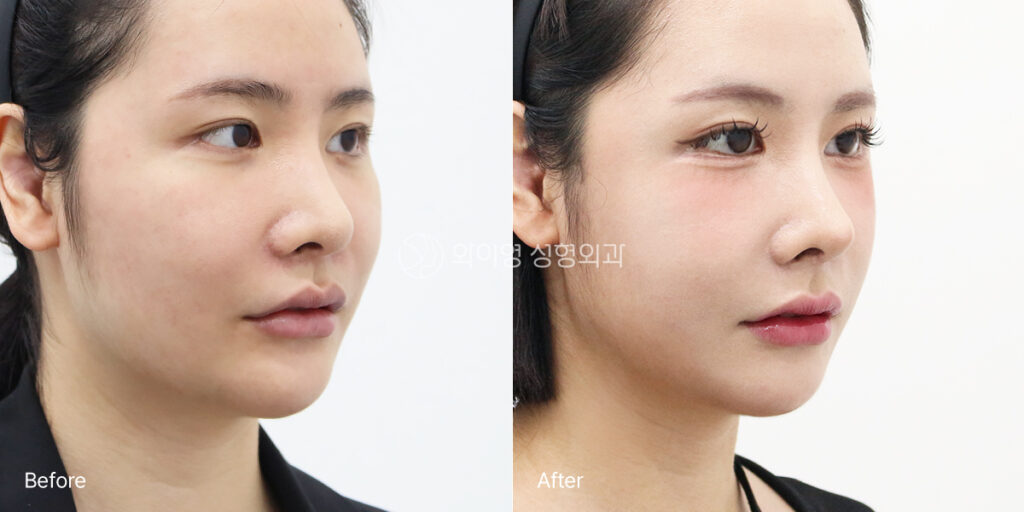
Oblique-view comparison demonstrating improved nasal balance and tip support after revision rhinoplasty.
Revision Rhinoplasty Treats the Cause, Not Just the Appearance
Making the nose look straight is only one part of revision surgery.
The more important objective is identifying why the nose became crooked in the first place. Depending on the patient’s condition, revision surgery may involve restoring structural support, repositioning cartilage, releasing scar tissue, or reinforcing the nasal framework.
Because every revision case is different, treatment should always be individualized rather than standardized.
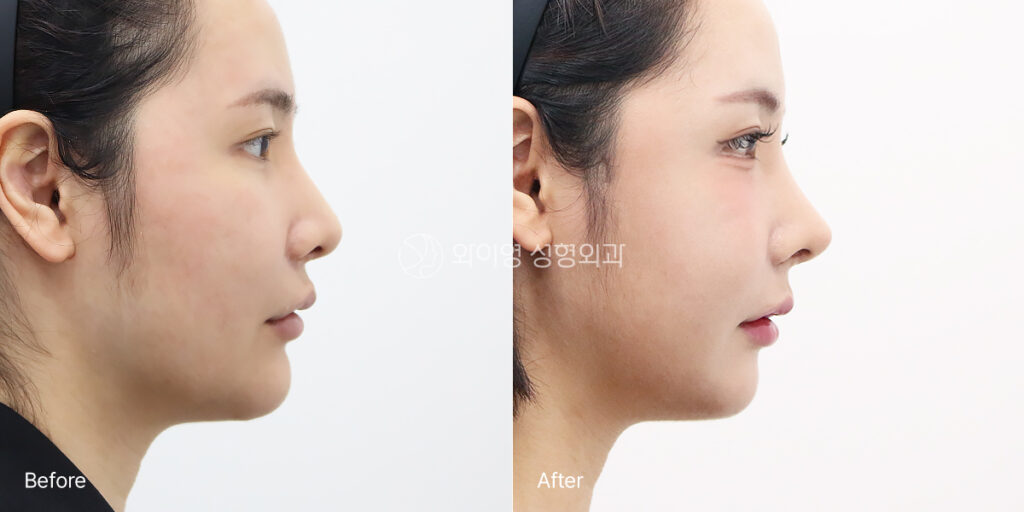
Side-view comparison illustrating improved tip projection and structural support one month after revision rhinoplasty.
Every Revision Nose Requires Individualized Planning
No two revision rhinoplasty cases are exactly alike.
The condition of the remaining cartilage, previous surgical techniques, scar formation, and each patient’s anatomy all influence the surgical plan. A careful structural evaluation helps determine the safest and most effective approach while aiming for long-term stability rather than temporary cosmetic improvement.
Related Case
See how structural revision rhinoplasty corrected a crooked nose and restored nasal alignment after previous surgery.
Crooked Nose Revision After Previous Rhinoplasty
Learn More About Revision Rhinoplasty
A crooked nose after surgery is only one of many reasons patients seek revision rhinoplasty. If you would like to learn more about our approach to complex nasal revision, explore our comprehensive guide below.
Revision Rhinoplasty in Korea
Learn how Dr. Kim Hye-Young evaluates primary and revision crooked nose rhinoplasty in Korea.
FAQ
Q1. Why does a nose become crooked after rhinoplasty?
A. A nose may become crooked after rhinoplasty due to weakened structural support, cartilage movement during healing, scar tissue formation, or incomplete correction during the initial surgery. Identifying the underlying cause is essential before planning revision rhinoplasty.
Q2. Can a crooked nose be corrected with revision rhinoplasty?
A. In many cases, yes. Revision rhinoplasty can restore nasal alignment by correcting the underlying structural imbalance rather than simply improving the external appearance. The surgical approach depends on the patient’s anatomy, previous surgery, and the condition of the remaining nasal support.
Q3. How long should I wait before considering revision rhinoplasty for a crooked nose?
A. Most surgeons recommend waiting at least 6 to 12 months after the initial rhinoplasty. This allows swelling to resolve, scar tissue to mature, and the final nasal shape to stabilize, making it easier to determine whether revision surgery is truly necessary.
Request a Revision Rhinoplasty Evaluation
If you are concerned about a crooked nose after previous rhinoplasty, a comprehensive structural evaluation is the first step toward finding the most appropriate solution.
Online consultation is available for international patients.

