Many patients become worried when they notice that their nose appears crooked after rhinoplasty. While a visible deviation can certainly be concerning, it does not always mean another operation is immediately necessary.
The key question is not simply “Is my nose crooked?” but rather “Why has it become crooked?”
Understanding the underlying cause is the first step toward deciding whether revision rhinoplasty is appropriate.
Not Every Crooked Nose Requires Another Surgery
Immediately after rhinoplasty, swelling can make the nose appear uneven. As healing progresses, tissues soften, swelling gradually subsides, and the final nasal contour becomes easier to evaluate.
Because healing continues for many months, surgeons often recommend waiting before making decisions about revision surgery unless there is a significant structural problem.
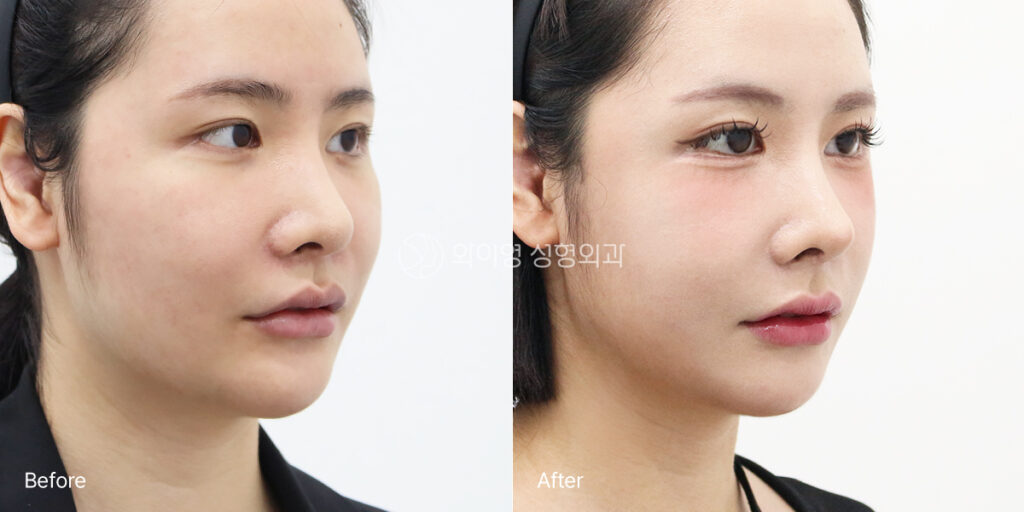
Oblique-view comparison demonstrating improved nasal alignment and facial balance following structural revision rhinoplasty.
When Revision Rhinoplasty May Be Recommended
Revision surgery may be considered when the nasal deviation is caused by an underlying structural problem rather than temporary postoperative swelling.
Common situations include:
- Persistent crooked nasal alignment
- Loss of structural support
- Low or collapsed nasal tip
- Visible asymmetry that remains after healing
- Functional concerns such as nasal obstruction
The treatment plan depends on identifying the specific reason for the deviation rather than simply correcting its appearance.
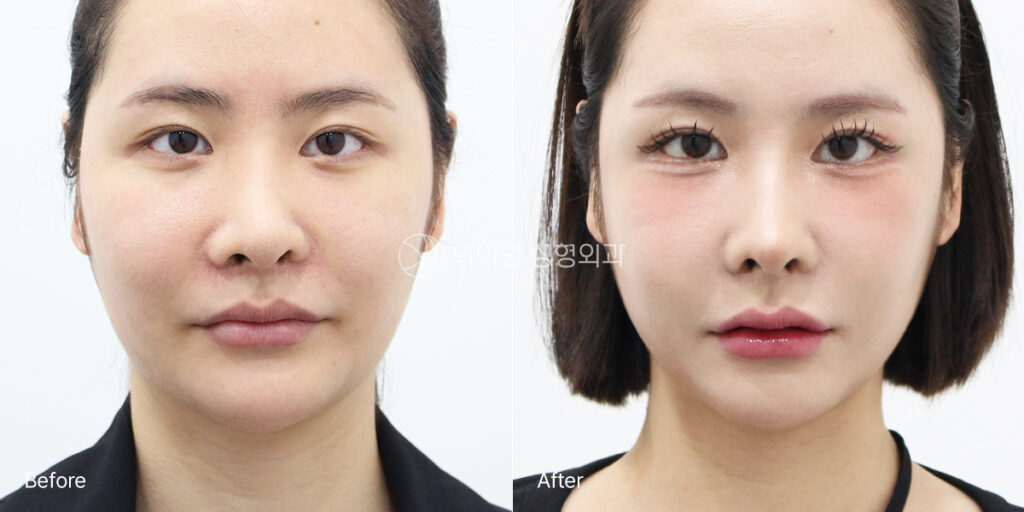
Front-view comparison showing improved nasal alignment one month after revision rhinoplasty.
Timing Plays an Important Role
One of the most common mistakes is considering revision surgery too early.
Scar tissue continues to mature and swelling gradually resolves over several months. For this reason, many surgeons recommend waiting 6 to 12 months before deciding whether revision rhinoplasty is necessary.
Allowing adequate healing time often leads to a more accurate evaluation and better surgical planning.
The Goal Is Long-Term Stability
Successful revision rhinoplasty is not simply about making the nose appear straight immediately after surgery.
The primary objective is to restore structural stability so that the nose maintains its alignment over time. Careful reconstruction of the nasal framework provides a stronger foundation for both function and appearance.
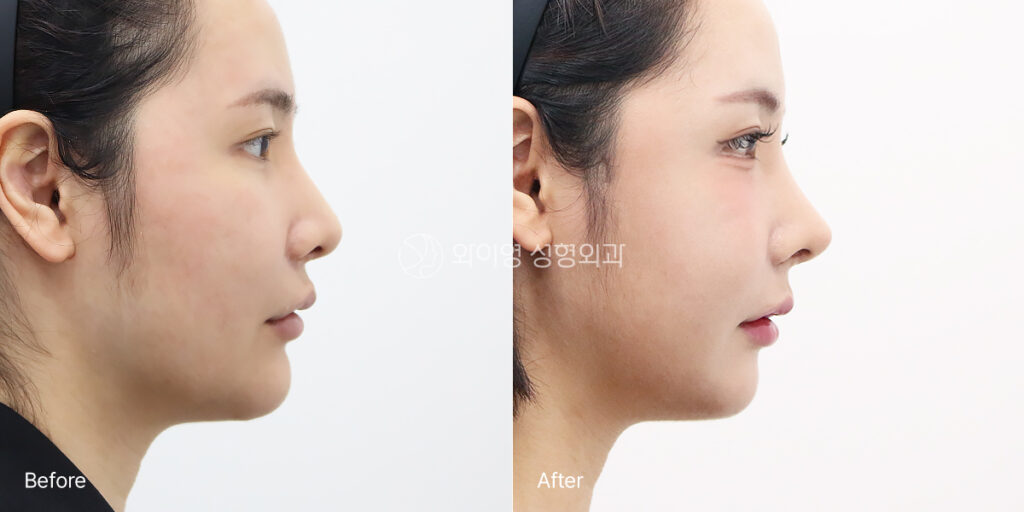
Side-view comparison illustrating improved nasal support and tip projection one month after revision rhinoplasty.
Every Revision Plan Should Be Individualized
No two crooked noses have the same cause.
Previous surgical techniques, scar tissue, cartilage quality, and each patient’s anatomy all influence the treatment strategy. For this reason, revision rhinoplasty should always begin with a comprehensive structural evaluation rather than a standardized surgical plan.
Related Case
See how structural revision rhinoplasty corrected a crooked nose and restored nasal alignment after previous surgery.
Learn More About Revision Rhinoplasty
If you are considering revision rhinoplasty because of a crooked nose after previous surgery, learn more about our approach to structural nasal revision.
FAQ
Q1. Does a crooked nose after rhinoplasty always require revision surgery?
A. No. In the early stages of healing, swelling and tissue changes can temporarily make the nose appear crooked. Revision rhinoplasty is usually considered only after the nose has healed sufficiently and the underlying cause of the deviation has been evaluated.
Q2. How do surgeons determine whether revision rhinoplasty is necessary?
A. The decision is based on a comprehensive structural evaluation rather than appearance alone. Surgeons assess the nasal framework, cartilage support, scar tissue, healing changes, and any functional concerns before recommending revision surgery.
Q3. What is the goal of revision rhinoplasty for a crooked nose?
A. The primary goal is to restore long-term structural stability while improving nasal alignment. Instead of simply making the nose look straighter, revision rhinoplasty focuses on correcting the underlying cause to achieve a balanced and natural-looking result.
Related Insight
Not every crooked nose after rhinoplasty has the same cause. Understanding why the nose becomes crooked is the first step toward determining whether revision surgery is truly necessary.
Why Does a Nose Become Crooked After Rhinoplasty?
See how structural revision rhinoplasty corrected a crooked nose and restored nasal alignment after previous surgery in one of our real patient cases.
Crooked Nose Revision After Previous Rhinoplasty
Learn More About Revision Rhinoplasty
If you are considering revision rhinoplasty because of a crooked nose after previous surgery, learn more about our comprehensive approach to structural nasal revision.
Request a Revision Rhinoplasty Evaluation
If you are considering revision rhinoplasty or have concerns after previous nose surgery, a personalized structural evaluation is the first step toward achieving a stable, natural-looking result.
Online consultation is available for international patients.
See more rhinoplasty before and after cases→
