A crooked nose after previous rhinoplasty is more than a cosmetic concern. In many cases, it reflects an underlying structural imbalance that affects both the appearance and long-term stability of the nose.
Many international patients visit our clinic after experiencing nasal deviation, a low nasal tip, or persistent asymmetry following previous surgery. Rather than simply making the nose appear straighter, revision rhinoplasty focuses on identifying the cause of the problem and rebuilding proper structural support.
In this case, the patient presented with a crooked nose and reduced tip projection after a previous rhinoplasty. Revision surgery was carefully planned to restore nasal alignment while maintaining a natural appearance that complements the patient’s facial features.
Before Surgery
Before surgery, the patient showed several common findings associated with failed primary rhinoplasty.
- Crooked nasal alignment
- Low nasal tip projection
- Loss of structural support
- Facial imbalance caused by nasal deviation
Because these problems were structural rather than superficial, camouflage techniques alone would not have produced a stable or lasting result.
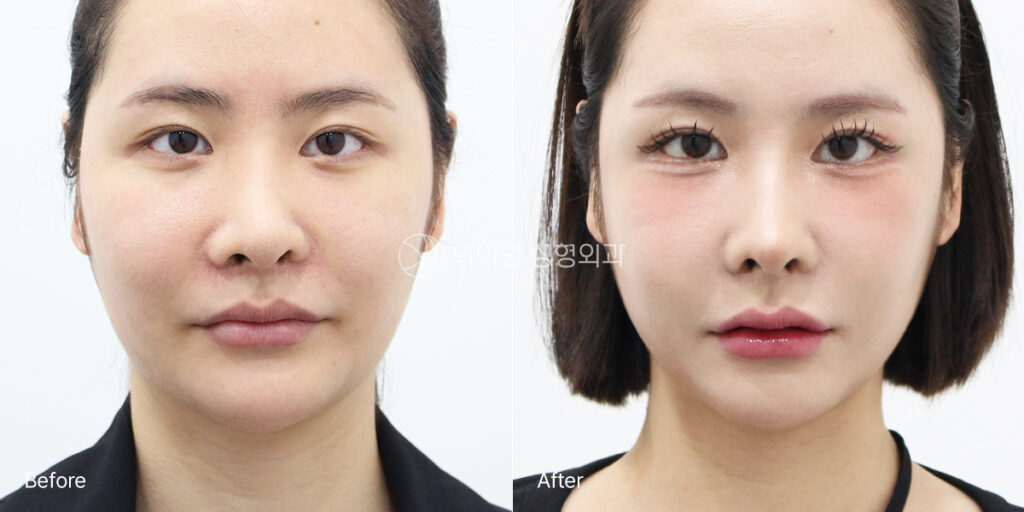
Structural Revision Rather Than Simple Straightening
Revision rhinoplasty is not simply about making the nose look straight.
Successful correction requires restoring the internal framework that supports the nose. Scar tissue, weakened cartilage, and previous surgical changes must all be carefully evaluated before planning reconstruction.
The goal is to improve both nasal function and appearance while achieving long-term stability.
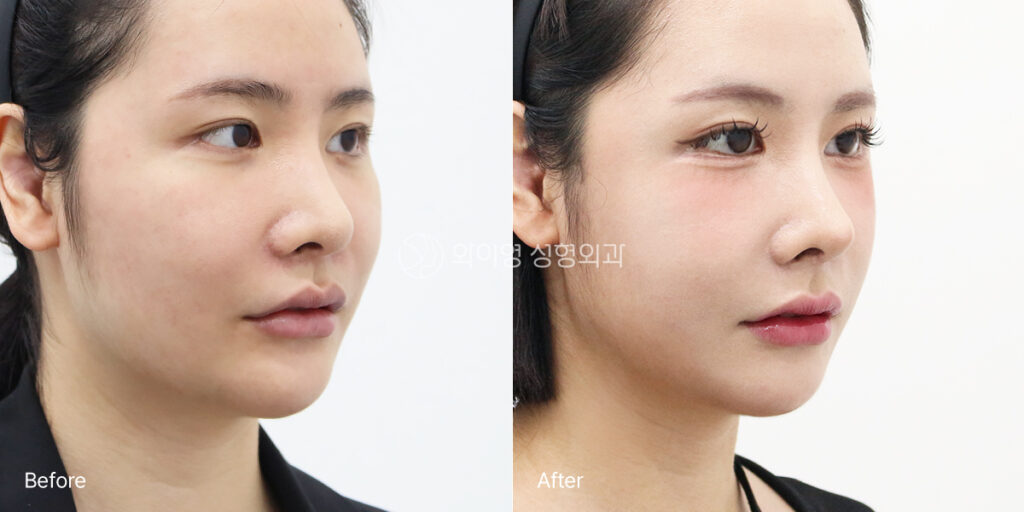
One Month After Revision Rhinoplasty
At one month after surgery, the nose already demonstrates improved alignment and stronger tip support.
Although swelling continues to decrease over the following months, the early postoperative photographs show a straighter nasal profile, improved projection, and better overall facial harmony.
Every revision rhinoplasty continues to evolve during recovery, making long-term stability just as important as the immediate surgical result.
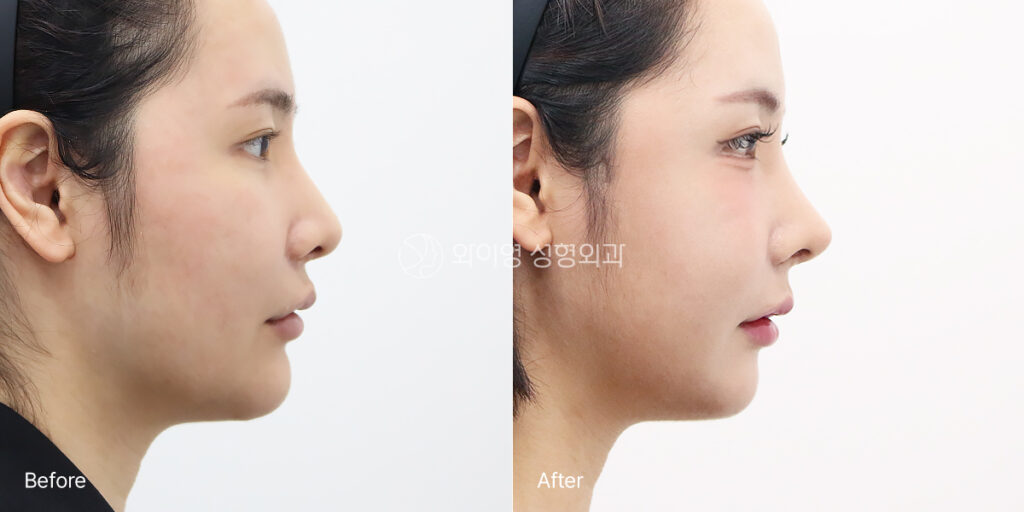
Why Revision Rhinoplasty Requires Experience
Every revision nose is different.
The condition of the remaining cartilage, scar tissue, and previous surgical changes determines the surgical strategy. For this reason, revision rhinoplasty requires individualized planning rather than a standardized approach.
For many international patients, choosing an experienced revision specialist is one of the most important factors in achieving a stable and natural-looking result.
FAQ
Q1. What causes a nose to become crooked after rhinoplasty?
A. A nose may become crooked after rhinoplasty because of weakened structural support, scar tissue, cartilage movement during healing, or incomplete correction during the initial surgery. A thorough evaluation is necessary to identify the underlying cause before planning revision surgery.
Q2. Can a crooked nose be corrected with revision rhinoplasty?
A. Yes. Revision rhinoplasty can often correct a crooked nose by restoring structural support, improving nasal alignment, and rebuilding stability. The surgical approach depends on the condition of the cartilage, scar tissue, and the patient’s previous surgery.
Q3. When is the best time for crooked nose revision surgery?
A. In most cases, revision rhinoplasty is recommended after the nose has fully healed from the previous surgery, typically at least 6–12 months later. This allows swelling to resolve and tissues to stabilize, making surgical planning more accurate.
Considering Revision Rhinoplasty?
Every revision nose is different. Whether your concern is a crooked nose, a low nasal tip, asymmetry, or changes after previous surgery, successful revision begins with understanding the underlying cause.
Explore our comprehensive guide to Revision Rhinoplasty and learn how we approach complex revision cases.
Revision Rhinoplasty in Korea
Why Does a Nose Become Crooked After Rhinoplasty?
Request a Revision Rhinoplasty Evaluation
If you are concerned about a crooked nose after previous rhinoplasty, a comprehensive structural evaluation is the first step toward finding the most appropriate solution.
Online consultation is available for international patients.

