Rhinoplasty in Korea: Implants, Rib Cartilage, Tip Surgery, and Revision Explained.
Many patients researching rhinoplasty in Korea quickly discover that there is no single procedure called “nose surgery.”
Modern rhinoplasty involves a wide range of techniques, including dorsal augmentation, tip refinement, rib cartilage grafting, customized implants, and revision surgery. The best approach depends on each patient’s anatomy, skin thickness, facial proportions, and aesthetic goals.
Understanding the major components of rhinoplasty can help patients make more informed decisions and achieve results that look both beautiful and natural.
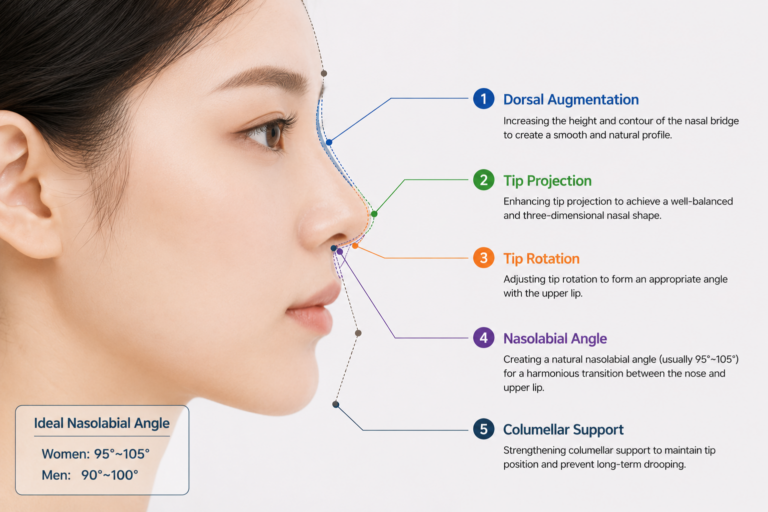
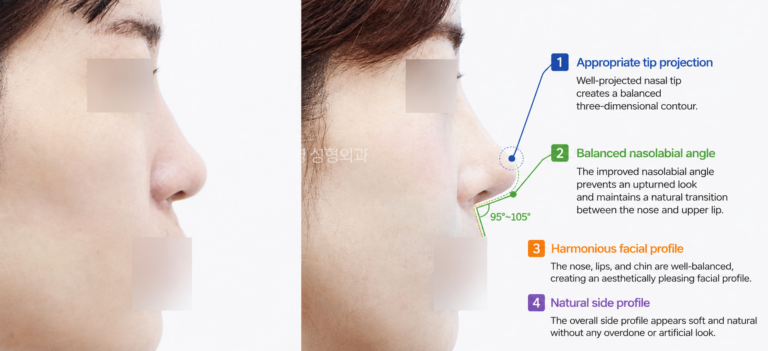
Successful rhinoplasty depends on balancing dorsal augmentation, tip projection, tip rotation, nasolabial angle, and structural support.
What Makes a Beautiful Nose?
A beautiful nose is not necessarily the highest nose.
Instead, successful rhinoplasty focuses on harmony between the nose, forehead, lips, and chin.
Factors that influence a natural result include:
Nasal bridge height
Tip projection
Tip rotation
Nasolabial angle
Facial proportions
Skin thickness
Small adjustments in balance often create more attractive results than dramatic increases in height.
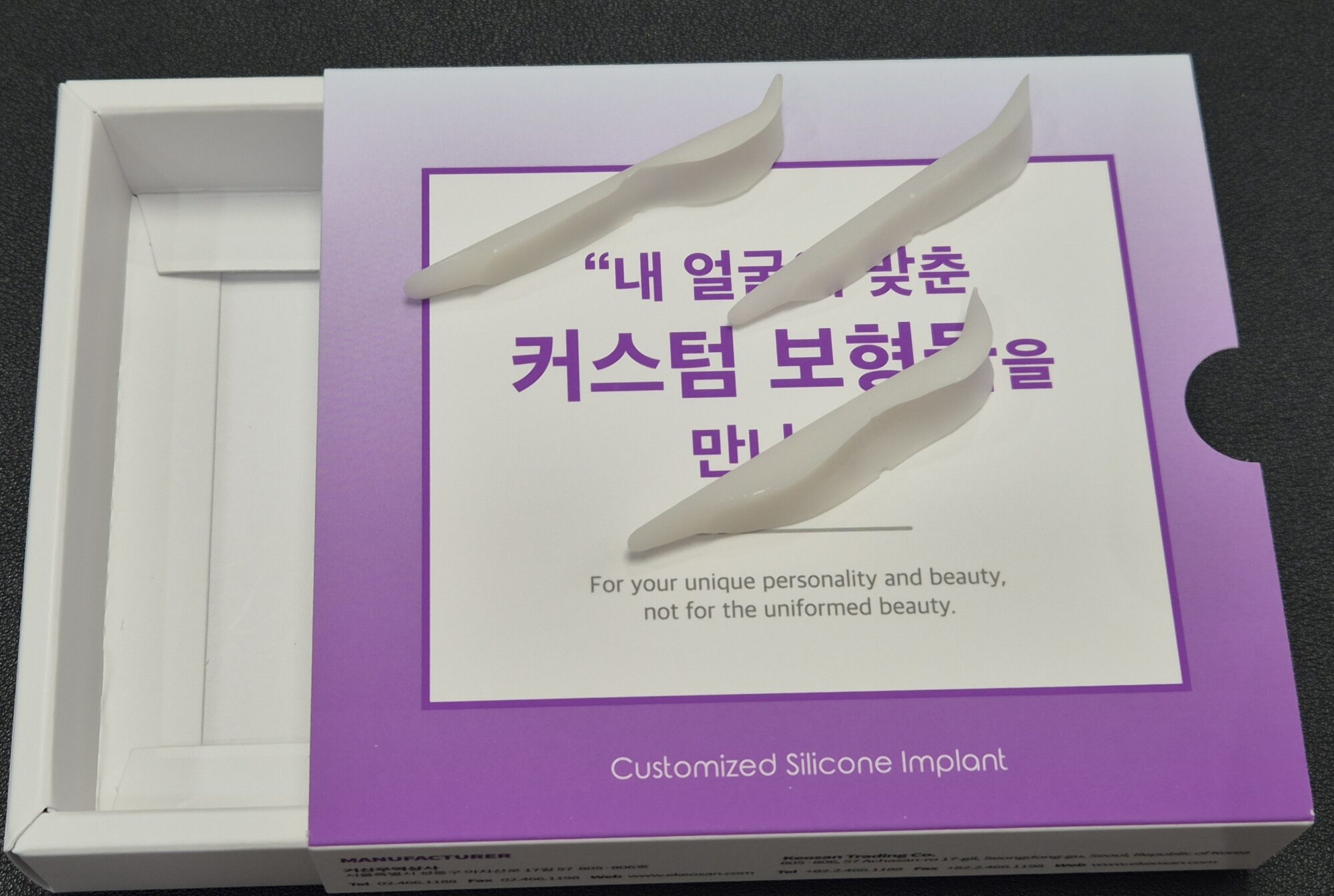
Examples of patient-specific 3D customized silicone implants designed for different nasal contours and anatomical needs.
Each implant is individually fabricated according to the patient’s facial proportions, skin characteristics, and desired dorsal shape.
Customized Rhinoplasty and 3D Implants
Not every patient benefits from a standard implant design.
Modern 3D customized implants allow surgeons to tailor bridge shape, width, and projection to individual facial anatomy.
The goal of rhinoplasty is not simply to make the nose higher.
Whether using implants, rib cartilage, tip surgery, or customized techniques, the best results are achieved when the nose is designed in harmony with the entire face.
Natural rhinoplasty is ultimately about balance, structure, and individualized planning.